Extend Concrete Life Before Replacement Becomes Necessary
Concrete Repair, Resurfacing & Restorations in El Paso for cracked driveways, settling patios, and aging surfaces showing structural wear
Cracks wider than a quarter inch, surface scaling, and uneven sections signal that your concrete has reached a decision point: repair now or replace later at significantly higher cost. Desert climate expansion and contraction accelerate deterioration in El Paso, with alkali-aggregate reactions breaking down concrete from within as temperature swings stress the material daily. Albort and Ferreiro LLC repairs and resurfaces cracked, settling, or aging concrete across driveways, patios, and walkways, using an established decision framework that determines when restoration makes economic sense versus full demolition and replacement.
Repair begins with crack assessment to identify whether damage stems from surface wear or deeper structural issues like soil settlement or inadequate reinforcement. Material selection varies by damage type, with epoxy injections sealing structural cracks, polyurethane filling expansion joints, and patching compounds restoring surface integrity where scaling has occurred. Resurfacing involves surface prep to remove loose material, application of bonding agents, and installation of overlay systems that extend slab life by decades when underlying structure remains sound.
Schedule a crack assessment to determine whether your concrete qualifies for repair or requires full replacement based on structural condition.
What Changes After Concrete Restoration Completes
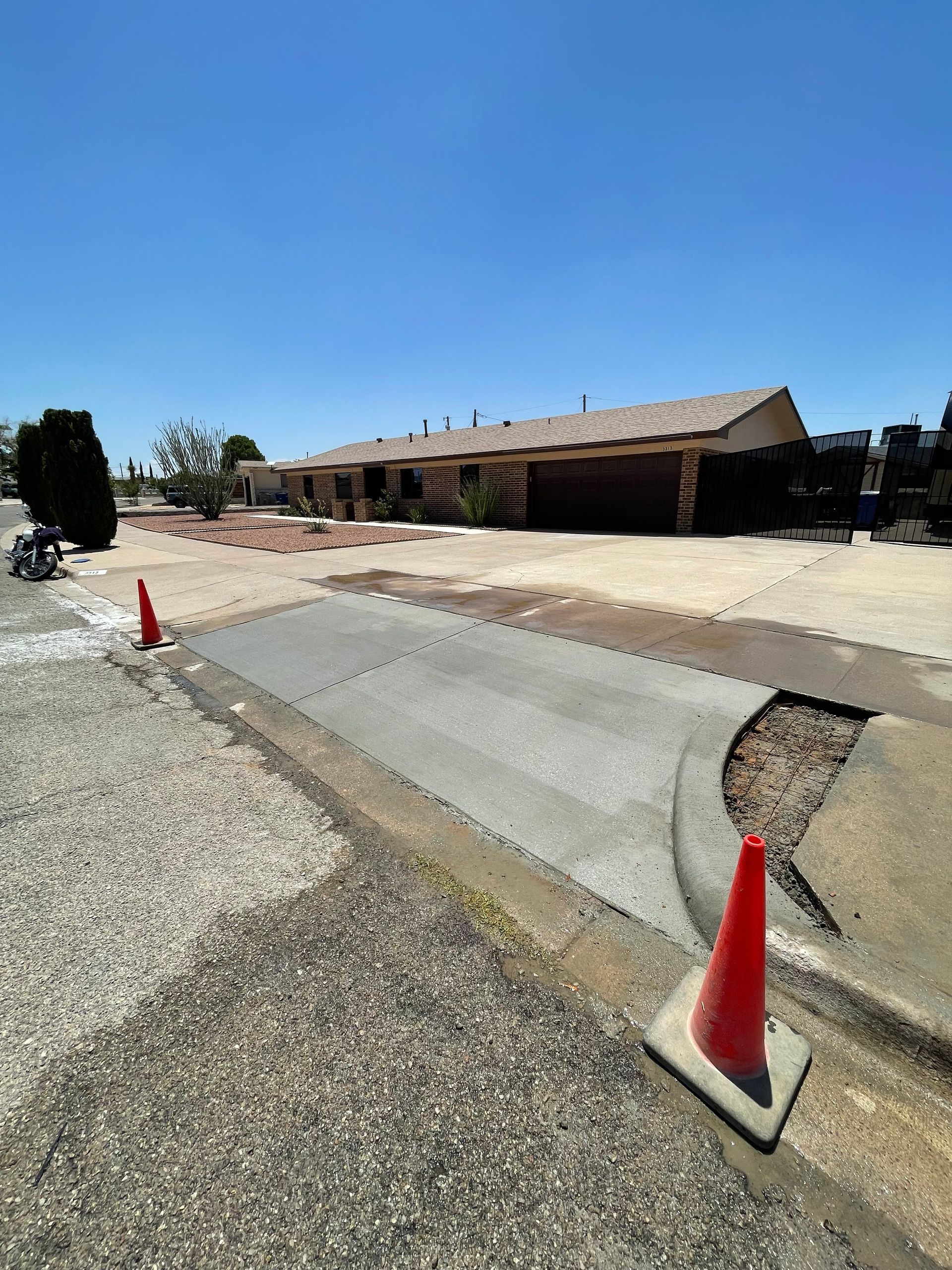
Concrete repair addresses the root cause of visible damage, whether that involves stabilizing substrates, sealing moisture pathways, or restoring load-bearing capacity compromised by years of wear. Crack repair prevents water infiltration that accelerates freeze-thaw damage, resurfacing restores smooth traction and appearance, and structural repairs halt progressive settlement that would otherwise require demolition. Each approach depends on accurate diagnosis of why the concrete failed rather than simply covering visible symptoms.
After restoration, you notice surfaces that drain correctly without pooling, cracks that no longer widen with seasonal temperature changes, and sections that remain level rather than continuing to settle. Driveways support vehicle loads without further edge breakage, patios shed water instead of collecting it in low spots, and walkways provide safe, even footing without trip hazards. The restored surface looks uniform and functions structurally, extending service life by years and delaying the expense of full replacement.
Repair services include crack evaluation, material application, and surface restoration, but do not include correcting drainage issues that originate beyond the concrete itself or replacing sections with compromised subgrade that requires excavation. Early intervention prevents minor cracks from becoming structural failures, but once settlement exceeds certain thresholds or reinforcement has corroded extensively, replacement becomes the only viable option. Albort and Ferreiro LLC provides transparent assessment so you understand which approach serves your timeline and budget.
Answers to Frequent Service Questions
Concrete repair and resurfacing decisions depend on damage severity, underlying causes, and how much additional service life restoration can realistically provide for your specific situation.
How do I know if my cracked driveway can be repaired or needs replacement?
Cracks caused by surface wear or minor settling typically respond to repair, while extensive cracking patterns, significant height differences between sections, or structural movement indicate that underlying issues require full replacement to prevent recurring failure.
What causes concrete to crack and deteriorate faster in El Paso?
Desert climate creates daily temperature swings that expand and contract concrete, while alkali-aggregate reactions between cement and certain aggregates accelerate internal breakdown, both processes intensified by El Paso's dry heat and seasonal freezes.
How long does resurfaced concrete last compared to new pours?
Resurfacing extends life by ten to twenty years when applied over structurally sound slabs, but longevity depends on substrate condition and whether the original failure cause has been addressed through drainage correction or subgrade stabilization.
Can you repair concrete without tearing up landscaping or adjacent surfaces?
Targeted crack repair and resurfacing avoid demolition, preserving surrounding landscaping and hardscapes, with work zones limited to damaged sections rather than requiring full slab removal and site disruption.
What repair materials hold up best in high-temperature climates?
Epoxy and polyurethane crack fillers maintain flexibility through temperature cycles without re-cracking, while polymer-modified overlay systems bond to existing concrete and resist UV degradation better than standard patching compounds used in milder climates.
Albort and Ferreiro LLC uses an established decision framework to evaluate whether repair or replacement delivers better long-term value for your property, preventing unnecessary demolition while identifying situations where replacement prevents recurring costs. Request an evaluation to review your concrete condition and restoration options specific to your damage patterns.