Grading and Compaction That Prevent Settlement Issues
Site Preparation & Earthmoving Services in El Paso for residential and commercial development requiring proper soil handling and drainage layout
El Paso's caliche layer and compacted desert soils demand specific equipment and technique during site preparation, as improper grading creates drainage problems and settlement issues that compromise structures built on inadequately prepared ground. Improper compaction allows soil to shift under load, drainage errors direct water toward foundations instead of away, and rushed grading leaves sites that fail municipal inspections before construction can proceed. Albort and Ferreiro LLC provides site prep and earthmoving for residential and commercial development, including grading, fill, excavation, and compaction verification, with a two-person crew managing equipment logistics and subcontractor coordination to ensure sites meet code before concrete or framing begins.
The work involves equipment operation with excavators, dozers, and graders, soil assessment to identify caliche depth and composition, grading to engineered plans, compaction verification using mechanical tampers or rollers, and drainage layout that directs runoff according to site topography. Caliche layers require removal or breakup before fill material can be placed and compacted, a step that affects both timeline and cost but cannot be skipped without risking structural failure down the line.
Request a site evaluation to assess soil conditions and determine grading requirements before your construction schedule begins.
What Proper Site Preparation Accomplishes
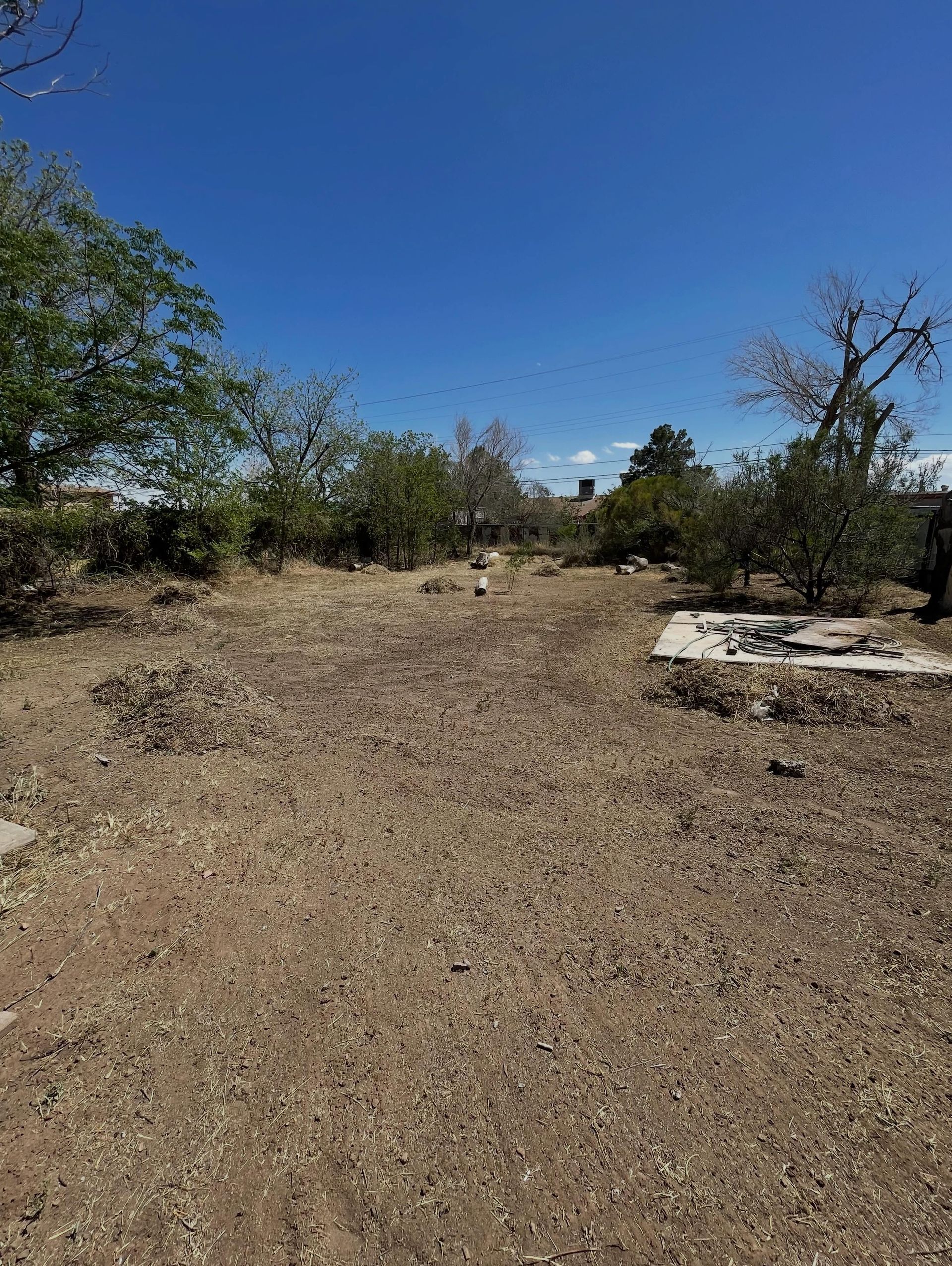
Site preparation establishes stable, code-compliant building platforms by removing unsuitable soil, placing engineered fill, compacting layers to specified density, and shaping grades that manage stormwater runoff. Each step follows municipal grading codes, with compaction testing verifying that soil will support structural loads without settling. Equipment selection depends on site size, soil type, and access constraints, with larger projects requiring multiple machines working in coordinated sequence.
Once grading and compaction finish, you notice level building pads that shed water correctly, stable access routes for construction vehicles, and drainage pathways that prevent pooling near foundation zones. Soil remains firm under foot traffic and equipment loads rather than rutting or sinking, grades match engineered plans within tolerance, and sites pass municipal inspections without costly rework. Structures built on properly prepared sites avoid the cracking, settling, and moisture intrusion that result from shortcuts during earthwork.
Site prep includes excavation, grading, compaction, and drainage layout, but does not include utility trenching, landscaping installation, or retaining wall construction unless specified separately. Projects involving significant caliche removal or off-site fill import require additional equipment and hauling, which extends timelines beyond basic grading work. Albort and Ferreiro LLC coordinates equipment staging and subcontractor scheduling to prevent delays once earthwork begins.
What Property Owners Usually Ask
Site preparation and grading projects vary widely based on soil conditions, site topography, and development scope, so understanding the process helps you plan timelines and budgets accurately.
What is caliche and why does it complicate site prep in El Paso?
Caliche is a hardened calcium carbonate layer common in desert soils that resists excavation and prevents drainage, requiring specialized equipment to break up or remove before stable building pads can be established.
How do you verify that soil compaction meets municipal codes?
Compaction testing uses nuclear density gauges or sand cone tests to measure soil density after mechanical compaction, with results compared to engineered specifications required for building permits and foundation work.
When should site prep happen relative to other construction phases?
Earthwork must finish and pass inspection before concrete or framing begins, with timing dependent on weather conditions, equipment availability, and permit approval, typically requiring several weeks from start to final grading sign-off.
What causes grading projects to exceed original cost estimates?
Unexpected subsurface conditions like deeper caliche layers, contaminated soil requiring disposal, or rock formations not visible in initial surveys add equipment time and material costs that cannot be anticipated without exploratory excavation.
Can you grade a site without disrupting existing structures or landscaping?
Selective grading limits disturbance to work zones, but heavy equipment access and soil stockpiling require staging areas, with project layout designed to minimize impact on features you want preserved.
Albort and Ferreiro LLC manages site preparation with equipment coordination and subcontractor oversight that ensures grading meets municipal codes before construction proceeds, preventing the settlement and drainage issues that arise from inadequate soil handling. Arrange a consultation to review soil conditions and grading requirements for your development site.